
Record what you know about the leak
Note discovery time, affected rooms and whether the source has been addressed by the responsible professional. Do not guess how long concealed materials have been wet. A clear timeline helps the assessment without claiming a diagnosis.
Keep plumbing and restoration separate
Ask who repairs the failed pipe and who handles wet materials. Restoration scope does not automatically include pipe replacement, electrical work or finished-room reconstruction. Confirm responsibilities and authorizations for each trade.
Describe the path of water
Water can be observed on a ceiling below an upper room or beside cabinetry. Describe the visible locations and adjacent spaces. Do not cut openings or disturb suspected mold to trace the path yourself.
Ask about material evaluation
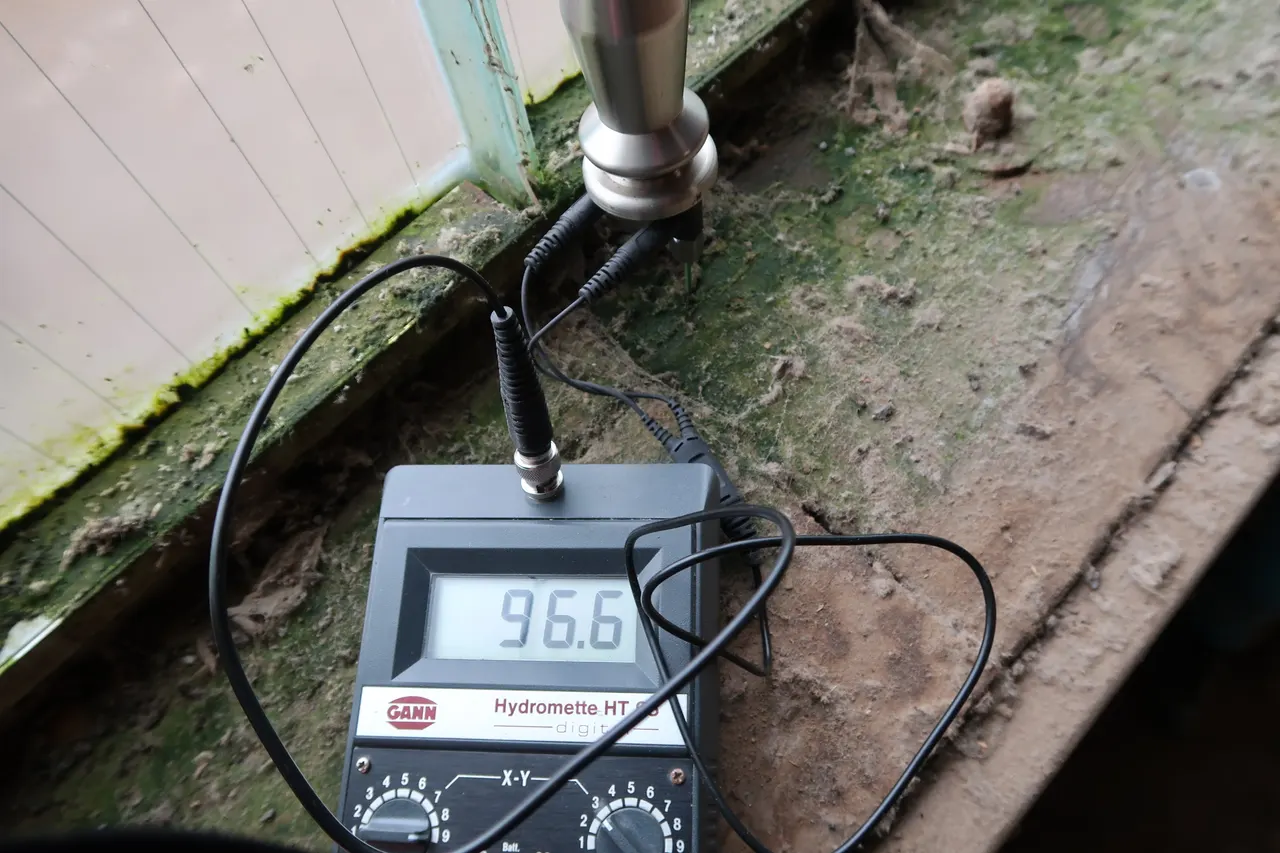
Confirm which accessible wall and flooring layers will be measured, whether removal is proposed and how findings will be documented. Drying feasibility depends on materials and the assessment, not merely on stopping the leak.
Use winter context carefully
The National Weather Service Greenville-Spartanburg office provides weather context. Timing can help describe a reported loss, but weather does not prove why a pipe failed. Tell the receiving business what changed and ask a qualified professional to determine the source.
Prepare access and estimate questions
Identify the owner or manager who can approve work, provide available plumber records and ask for separate drying and repair lines. Confirm actual appointment availability and any assessment charge before arranging a visit.
Questions that make the estimate clearer
- Which materials and rooms are included?
- Who repairs the source and who handles reconstruction?
- How are changes, monitoring and completion documented?